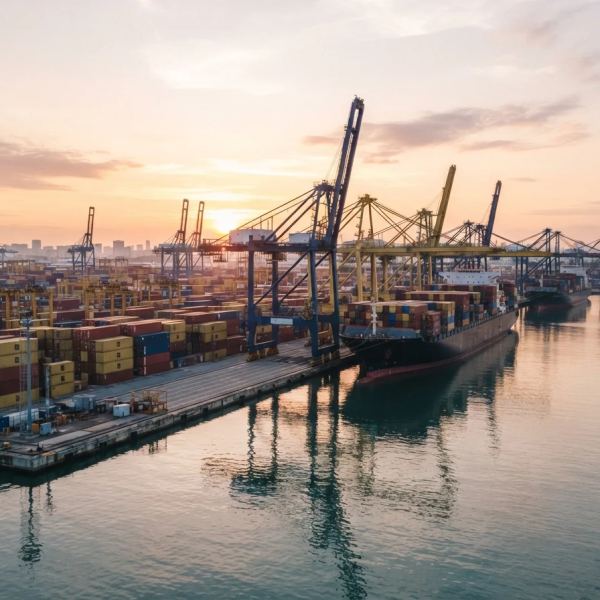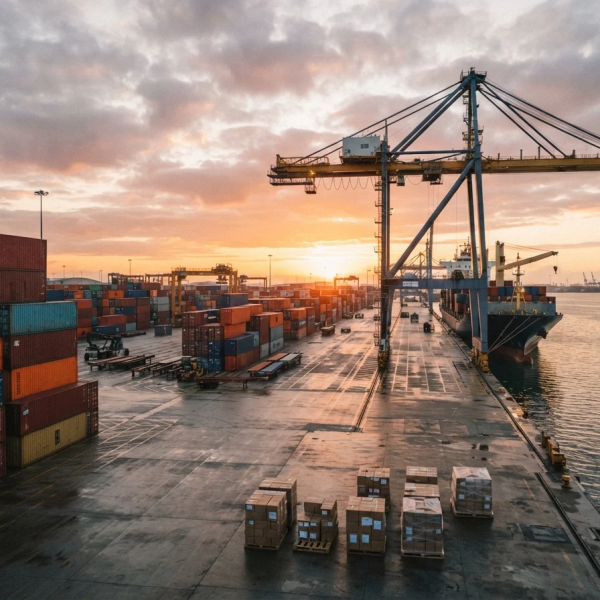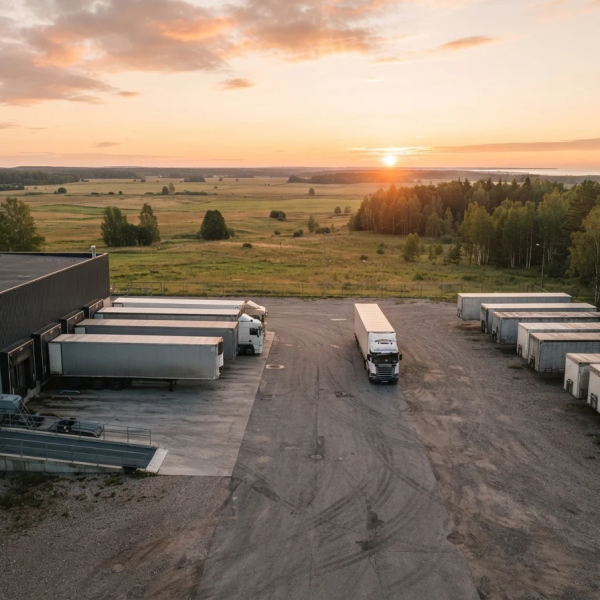
Lithuania is a transit country for road freight between Western Europe, the Baltic states and the East, and its carriers, forwarders and warehouses deal daily with papers in Lithuanian, English and Russian. Lithuanian translation services for logistics and freight cover CMR consignment notes, transport contracts, customs declarations, insurance claims, driver contracts, tachograph records, warehouse instructions and damage reports. Lithuanian has seven cases, a rich system of endings and its own letters such as a with an ogonek, e with a dot above and s with a caron, so names of places, companies and goods must be handled with care, and a small error in a consignment note can delay a lorry at a border. A freight document is reliable when goods, weights and places are copied exactly, transport terms are used in the same form throughout and the translator confirms in writing which text is the source. This article explains how to prepare papers and what to ask a provider.
Consignment notes, customs forms and claims
Border officers and insurers compare consignee names, goods descriptions, weights and seal numbers, so each of these must match across every paper. Anyone who needs English to Lithuanian translation should send readable scans of every page, the list of goods with tariff codes and the names of all parties as they appear in registers. The translator should keep numbers, units and codes exactly as written, describe stamps and handwritten notes in brackets and flag any note that may change the liability of the carrier.
Driver records, contracts and safety rules
Carriers need clear instructions for drivers who read Lithuanian, English or both, so a translator should use short sentences and the terms that the company already uses for routes, rest times and safety. For Lithuanian to English translation of driver contracts and reports, a provider should keep dates, durations and figures in the original order, so that a foreign inspector can compare them with tachograph data. When a company needs to translate English to Lithuanian for staff manuals, a glossary of vehicle and cargo terms keeps the text consistent.
Terms, speed and certified copies
Transport runs on tight schedules, so ask whether the provider can deliver within hours and whether urgent files go to a linguist who knows freight terms. A Lithuanian translator who keeps a client glossary can reuse terms for later contracts, claims and customs files. Confirm which certification the court, the insurer or the customs office needs, request a digital file and a printed copy and keep the scans of the originals with each translation so that questions after a dispute can be answered quickly.
Celtic languages and their distinguished features
For a look at another group of European languages and the traits that set them apart, read our article on the history and features of the Celtic language family which explains how related languages develop over time and why translators must know the features of each variety.
Checking the translation before you submit
Before you send the file, compare every name, number and date with the source, and confirm that stamps and handwritten notes are marked in brackets. Ask the translator to fix any slip at no charge and to supply the signed statement with their name and credentials. A short final check can save weeks of delay with an office that rejects documents for small errors.
Quotes, deadlines and revisions
Ask for a written quote that lists word count, certification, delivery date and the number of review rounds included. Share deadlines early, because certified copies and long contracts need extra time. Agree how corrections are requested, and keep one contact person on your side so that feedback reaches the translator in one clear message.
Certification and legalisation
Offices abroad may require a certified translation and an apostille or attestation on the original paper. Ask what they accept in writing, order the certificate with the translation and keep scans of every stamped page. Plan extra days when several offices must stamp the same file.
Interpreting for meetings and hearings
Lithuanian interpreters support business negotiations, clinics, immigration interviews and court hearings. Share names, dates and a short agenda in advance, and avoid using children as interpreters, because accuracy and privacy both suffer.
Machine translation and review
Machine tools give a quick gist of Lithuanian text, but they often mishandle names, idioms and formal registers. Use them for rough understanding only and ask a native reviewer to check anything that will be submitted or published.
Storing your approved terms
After the first project, save approved names, titles and product terms in a short glossary and send it with every new order. Reuse of approved wording keeps documents consistent over months and lowers the cost of later projects.
Confidentiality and files
Send documents through a secure channel, share only what is needed and ask who will handle the files. Return all drafts in the same format as the original so that tables and stamps stay in place.
Where to read more
For a neutral overview of the history, grammar and use of the language, see the Wikipedia article on the Lithuanian language , which also covers its grammar and its place among the Baltic languages.